
-
 Adobe Stock/Missouri News ServiceMissouri Foundation for Health is awarding $1.5 million to 12 community leaders working to improve health and well-being across the state. The Spark Prize provides unrestricted funding to support projects ranging from affordable childcare to prescription medication access.
 -
 Eric Harkleroad/KFF Health NewsNew federal rules take effect in two months, requiring many Medicaid recipients to prove they work, volunteer or otherwise partake in "community engagement" activities.


-
 Missouri mental health professionals are shedding light on how early childhood experiences, including trauma, can influence development long before children can express their feelings. They emphasize the power of early intervention, nurturing relationships, and everyday interactions to help young children overcome challenges and thrive.
 -
 Scary tales of people having their blood sucked by vampires or their heads sought by decapitated horsemen give us chills on All Hollows Eve. Urban legends warn us of those who tamper with trick or treat candy. However, research tells us the real danger on Halloween is: creating a jack o’ lantern.
 -
 With 13 active data center projects across Missouri, residents are questioning energy and water use as developers also eye Southeast Missouri land.
 -
 Heart disease has surpassed cancer as the leading cause of death among Hispanic adults nationwide, according to a new American Heart Association report. Hispanic and Latino Missourians make up nearly 6% of the state population. The findings underscore the importance of prevention.
 -
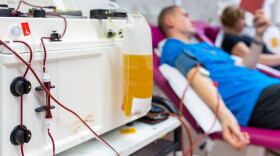 International Plasma Awareness Week (IPAW) is highlighting the need for regular plasma donations to provide lifesaving treatments for patients with immune deficiencies and other serious conditions. For one Illinois family, it's a matter of life and death.
 -
 Selecting a health insurance plan during open enrollment can sometimes feel like a dizzying experience amid a slew of plan and price changes. Experts are offering tips for Illinois residents to help them work through the noise.
 -
 Failing utility grades, more gas generation, and questions about who pays. That's the latest verdict from the Sierra Club, which says Missouri utilities’ energy choices are falling short of their climate promises, raising fresh concerns about Ameren’s latest long-range plan.
 -
 Did you get your flu shot yet? While the focus has been on COVID in recent years, this booster is important, too.
 -
 Even as Illinois is stepping up efforts to curb youth nicotine use, experts still warn that students are increasingly navigating a range of hard-to-detect products, from flavored vapes to high-nicotine pouches.
 -
 As Suicide Prevention Month wraps up, Illinois leaders working in the mental health space urge people to recognize warning signs not just this month, but all year long --- and reach out to people in crisis. They’re also calling on the state to strengthen access to behavioral health services, particularly in rural communities, spreading the message that saving a life starts with connection and conversation.


