
-
 Adobe Stock/Illinois News ConnectionIllinois continues to rank above most states in child well-being, but education and health outcomes remain a concern, according to the new Kids Count Data Book. The report highlights declining reading and math proficiency and school enrollment, and rising child and teen death rates.
 -
 Tom Fisk (Pexels)/Missouri News ServiceCuts proposed in the next federal budget could impact a nationwide river program active across Missouri waterways, including the Mississippi River north of St. Louis. Conservation groups say the effort improves water quality, wildlife habitat and outdoor recreation while generating strong returns for taxpayers.


![Gov. Mike Kehoe acknowledged some Montgomery County residents' concerns about electricity prices and environmental impacts at the announcement in High Hill of a Google data center this week, but said the company had "done [the] work to ensure that their growth does not come at the expense of the community this center calls home."](https://npr.brightspotcdn.com/dims4/default/d40aacb/2147483647/strip/true/crop/1536x856+0+36/resize/560x312!/format/webp/quality/90/?url=http%3A%2F%2Fnpr-brightspot.s3.amazonaws.com%2Fb3%2F4d%2F2d75fb124257a24c5611fa6ee413%2Fimg-4183-1536x921.jpeg)


-
Cape Girardeau Area Chamber of Commerce leaders, Jackson Chamber of Commerce leaders, CGI Airport Manager JoJo Stuart, Cape Girardeau City Councilman Nate Thomas, and other community members pose for a picture commemorating the inaugural Contour Airlines flight to Pensacola, Florida.
-
 Missouri’s solar boom faces a potential slowdown as lawmakers debate a proposal that could halt projects midstream. Supporters say it’s about oversight and safety - while critics warn it could cost communities and delay much-needed power.
 -
 A new analysis shows how nature loss disproportionately affects communities of color and low-income households in Illinois and across the country. These communities are also more likely to live in polluted areas, which further increases their vulnerability to climate change and poor health outcomes. Experts argue that current policies and conservation practices often worsen these inequities and are calling for community-centered approaches that address systemic racism and ensure equitable access to natural spaces.
 -
 An Illinois researcher specializing in rural affairs is urging lawmakers to expand the 2026 Farm Bill to support not just agriculture, but the rural non-farm economy at large, highlighting how both are deeply interconnected. He says rural communities face challenges like population decline, economic shifts, and limited access to housing and health care, making broader investment in rural development essential for long-term sustainability.
 -
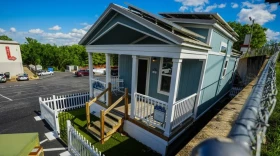 As Congress considers a rural housing bill aimed at expanding access to home loans, a Branson tiny home community is preparing to welcome residents who have struggled to find stable, affordable housing, many of whom have been living in extended-stay motels.
 -
 Iran conflict fuels gas price spike, forcing SEMO students to work more, carpool and use shuttles as rising fuel and transport costs squeeze student budgets.
 -
 Cape Girardeau’s April 7 ballot will decide the mayor, Ward 1 council seat, school board, a no-tax-increase bond, a senior property-tax freeze and a new 911 funding fee.
 -
 A new AARP report shows family caregivers in Missouri contribute around $17.5 billion in unpaid labor each year. This uncompensated work forms the backbone of the state’s long-term care system, according to the leader of a national nonprofit.
 -
 In the upcoming April 2026 election, Cape Girardeau County voters will consider two propositions to prevent property tax increases on primary residences. 'Proposition A' would exempt senior citizens aged 62 and older from property tax increases unless their homes are renovated or the tax levy increases. 'Proposition B' would cap annual property tax increases at 5% or the inflation rate, whichever is higher. Dr. David Yaskewich, an economics professor, explained that such measures, similar to California's Prop 13, can provide property tax relief but may limit local government revenue and create economic disparities between long-term and new residents.
 -
In the upcoming April 2026 election, Cape Girardeau County voters will consider two propositions to prevent property tax increases on primary residences. 'Proposition A' would exempt senior citizens aged 62 and older from property tax increases unless their homes are renovated or the tax levy increases. 'Proposition B' would cap annual property tax increases at 5% or the inflation rate, whichever is higher. Dr. David Yaskewich, an economics professor, explained that such measures, similar to California's Prop 13, can provide property tax relief but may limit local government revenue and create economic disparities between long-term and new residents.


